EN
EN  PT_BR
PT_BR 
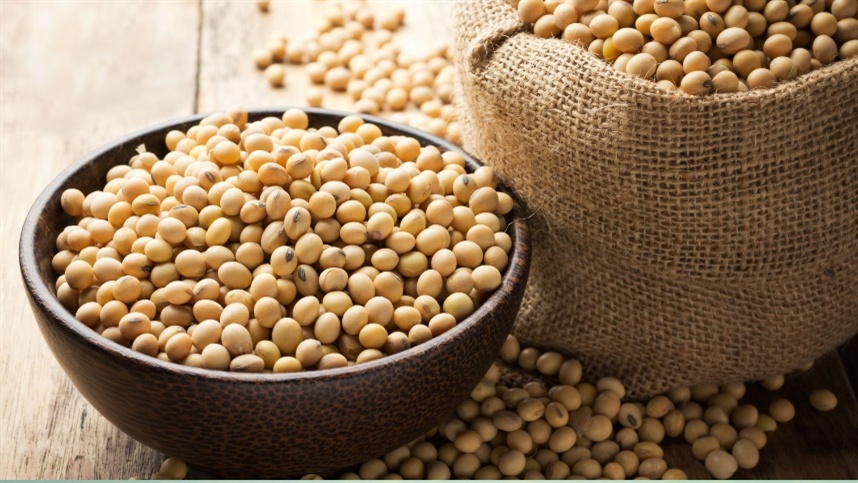
With the end of the sanitary vacuum of soyOn September 6th, Mato Grosso enters the final stretch of preparation for the 2026/27 harvest. The influence of El Niño and irregular rainfall may delay sowing, leading producers to wait for adequate moisture before intensifying work and reducing the risk of replanting.
Despite the authorization to plant in September, the expectation is that producers will remain cautious and wait for rainfall to stabilize before proceeding with sowing, especially given the influence of El Niño.
The superintendent of the Mato Grosso Institute of Agricultural Economics (Imea), Cleiton Gauer, emphasizes that the conditions of each property must be evaluated before deciding when to begin planting. “Producers need to be careful and observe the moisture and rainfall conditions before putting the seed in the soil. The end of the sanitary break allows planting, but this does not mean it is the ideal time to sow. It is important to assess the conditions to ensure good crop establishment and avoid costs associated with possible replanting,” warns Cleiton.
According to data released by Imea, Mato Grosso's soybean production for the 2026/27 harvest is projected at 48,882,049 tons. The estimate considers various variables, including climate prospects, historical productivity, management practices, and the level of technology adopted by producers. According to data released by Imea, the combined analysis of these factors allows for an estimation of crop performance in different regions of the state.
The trend is for producers to repeat the behavior observed in other years and wait for the rains to become more regular, especially in the second half of September. According to Henrique Eggers, market intelligence analyst at Imea, more important than the occurrence of the first rainfalls is the confirmation of sufficient and regular volumes. "More important than the occurrence of the first rainfalls is the confirmation of sufficient and regular volumes to guarantee the proper establishment of the crops," explains Henrique.
The increased climate instability predicted for the start of the next harvest season could delay the most significant progress in planting. This scenario is noteworthy because the 2023/24 harvest was also marked by the influence of El Niño.
During that cycle, irregular rainfall hampered crop establishment and contributed to soybeans registering the lowest average productivity in the last ten years in Mato Grosso.
Among the main challenges faced by producers in recent years are dry spells during critical crop phases, such as flowering, pod formation, and grain filling. Isolated rains followed by dry periods can also harm germination and initial plant development, increasing the need for replanting.
High temperatures can intensify soil water loss and cause heat stress. Excessive rainfall can lead to waterlogging, erosion, and loss of soil and nutrients. During harvest, high rainfall volumes increase the risk of losses and reduced grain quality.
Weather conditions can also interfere with the planting schedule for second-crop plantings. Any delays in soybean sowing or harvesting reduce the window available for planting corn, cotton, and other crops.
Therefore, the pace of planting progress should be monitored regionally throughout the first weeks of the harvest. “It’s still too early to determine the pace of planting in each region of Mato Grosso. Imea will monitor the progress of the work, the weather conditions, and the situation in the different regions of the state on a weekly basis,” emphasizes Henrique.
The end of the fallow period does not end phytosanitary care for soybeans. Monitoring the crops remains essential for disease control, especially Asian soybean rust. The disease is caused by the fungus Phakopsora pachyrhizi and remains among the main threats to the crop, requiring constant monitoring throughout the cycle.
According to data released by Imea, phytosanitary management should be adjusted to the reality of each property, considering the productive potential of the areas, local climatic conditions, and the level of infestation. Monitoring allows for the early identification of problems and the selection of more efficient control measures.
This strategy gains importance in a high-cost environment, since management decisions have a direct impact on productivity, input costs, and the profitability of the activity.
With the end of the sanitary break on September 6th, the recommendation is that producers should not confuse the legal authorization to sow with an indication that field conditions are already adequate. Regular rainfall, soil moisture, and monitoring of weather conditions will be important factors in determining the pace of planting for the 2026/27 crop in Mato Grosso.