EN
EN  PT_BR
PT_BR 
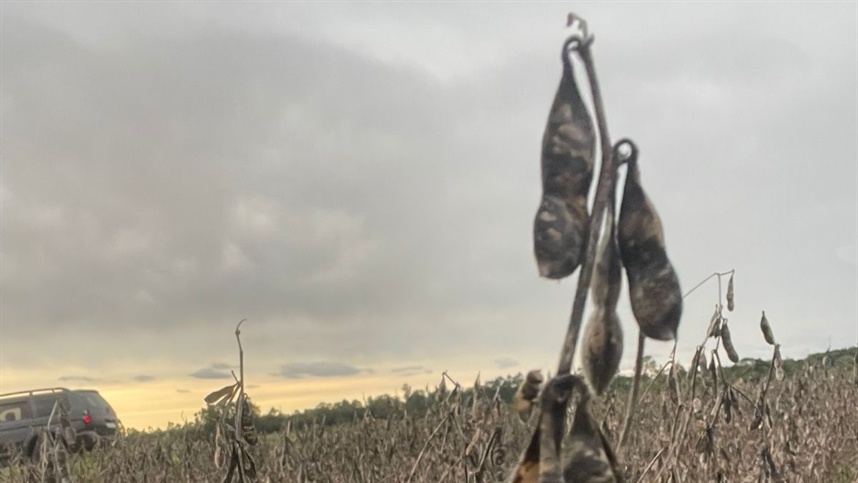
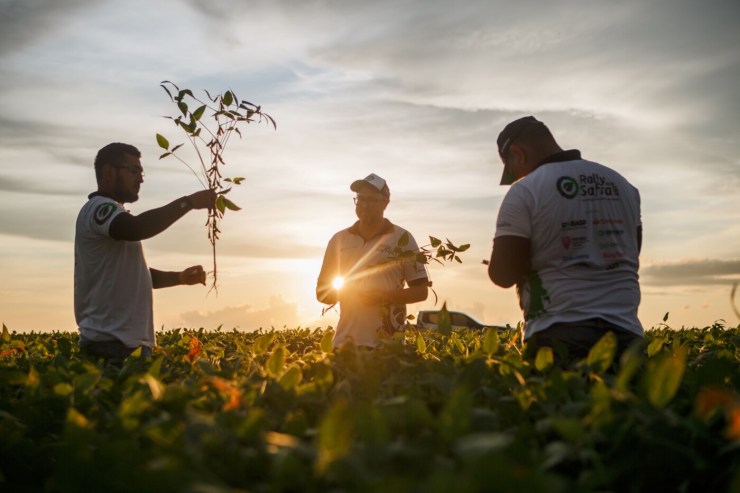
THE soy The Brazilian market gained momentum in August, with a price increase of 7.9% in Sorriso, Mato Grosso, while the international scenario combined firm demand, tighter inventories in the United States, and growing attention to the start of planting for the 2026/27 crop in Brazil. Rainfall patterns in the coming weeks are expected to be a key factor in shaping expectations for the new season.
According to data released by Itaú BBA's Agro Consulting firm, soybeans traded in Sorriso registered an average of R$ 129 per sack in August. Domestic activity was more intense than that observed on the Chicago Board of Trade, where the first contract averaged US$ 11.99 per bushel, an increase of 0.4% compared to July.
The support came, in part, from the deterioration of North American crops. At the end of August, 58% of US soybeans were classified as being in good or excellent condition, compared to 65% in the same period of 2025. The decline occurred precisely when the crop was advancing into important stages of pod formation and grain filling.
Demand also gained momentum. China accelerated its purchases of US soybeans from the 2026/27 crop and helped recover US advance sales. By the end of August, external commitments for the new season reached approximately 11.9 million tons, practically double the amount recorded a year earlier.
In Brazil, in addition to the recovery in Chicago, strong exchange rates and export premiums contributed to the increase. With the marketing of the 2025/26 crop more advanced and the start of the off-season period, producers began to make fewer lots available on the spot market, requiring higher prices to close new deals.
The global balance also keeps the market attentive. For 2026/27, global production is projected at 442 million tons, while consumption may also reach 442 million. Ending stocks are estimated at 124 million tons, with a stock-to-consumption ratio of 28%, below the 29% of the previous season.
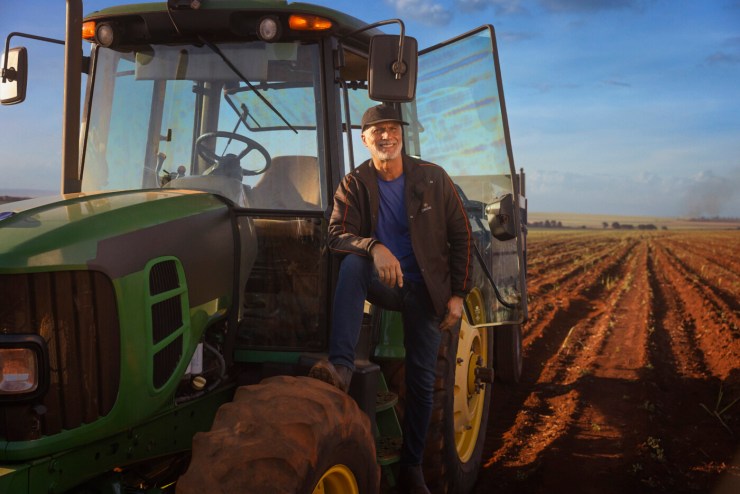
From now on, the focus shifts to Brazil. In Paraná, more regular rainfall is expected, which could favor faster progress in planting. In Mato Grosso and Rondônia, however, rainfall remains irregular, leading producers to exercise greater caution before putting machinery into the field.