EN
EN  PT_BR
PT_BR 
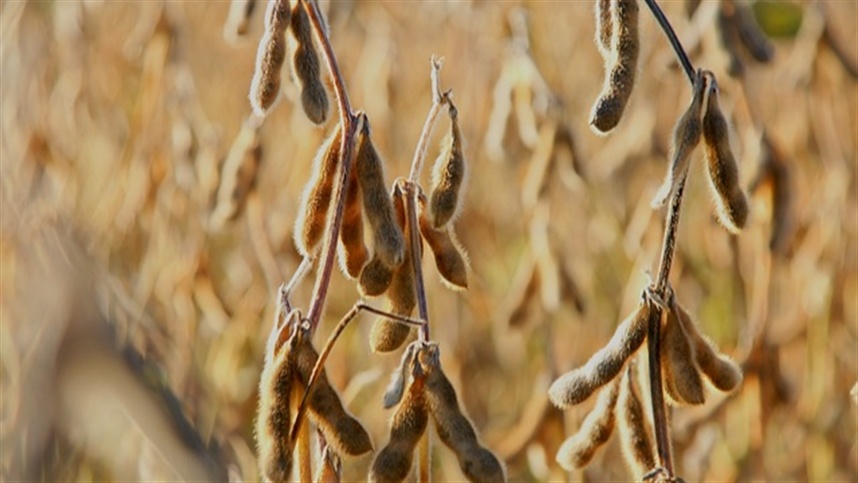
Soybean planting in the 2026/27 crop is progressing slowly in Rio Grande do Sul, limited by frequent rains, high soil moisture and reduced windows for machinery entry. According to data released by Emater/RS-Ascar in the Conjunctural Report this Thursday (8), producers prioritize preparing the areas and are waiting for more favorable conditions to expand sowing, reducing the risk of replanting and implementation costs.
The estimate for the state is 6,645,384 hectares under cultivation, with a projected average yield of 3,183 kilograms per hectare. The first sown areas are concentrated, in part, in locations authorized for early planting or not subject to financing restrictions related to the Agricultural Zoning of Climatic Risk (ZARC).
In most of the state, producers have prioritized desiccating cover crops and preparing the fields while awaiting suitable conditions to begin or expand crop planting. This caution is related to the risk of needing to reseed after heavy rainfall, considering the costs involved in establishing the crop. Excessive moisture also reduces machine traffic and limits the time available for field operations.
According to data released by Emater/RS-Ascar, the first crops were planted mainly in areas authorized for early sowing or on properties not subject to financing restrictions linked to ZARC regulations.
Planting situation by region
In the Bagé administrative region, heavy rains hampered the start of sowing. When conditions permitted, producers desiccated cover crops. In the Campanha region, excessive moisture has made conventional soil preparation difficult, especially in clayey areas and lowlands.
In the Western Border region, just over 3,000 hectares had been sown in São Borja, Manoel Viana, and Maçambará, mainly in areas where planting was authorized in advance during the second half of September. For the region, the estimate is 1,020,000 hectares cultivated, with an average yield of 2,403 kilograms per hectare.
In the Ijuí region, planting has reached only 0.3% of the planned area. Planting operations have occurred only in locations where weekly rainfall has not exceeded 50 millimeters. Producers are preparing their fields early and planning to stagger planting given the forecast of continued wet weather and the reduction in suitable planting windows. For Ijuí, Emater/RS-Ascar estimates a cultivated area of 1,007,031 hectares and a yield of 3,663 kilograms per hectare.
In the Pelotas region, the first crops were planted in Herval, Canguçu, and Piratini. A large portion of the areas intended for soybeans remains occupied by pastures. Producers are gradually removing the animals, carrying out desiccation, and preparing the soil for sowing. The projection is for 515,970 hectares under cultivation, with an estimated productivity of 2,606 kilograms per hectare.
In the Santa Maria region, 2% of the 1,036,859 hectares planned for the crop had already been sown. The average productivity is estimated at 3,062 kilograms per hectare, according to data released by Emater/RS-Ascar.
In Santa Rosa, planting has reached approximately 6% of the estimated area. The first crops are concentrated in areas previously kept fallow and on properties not linked to financing subject to ZARC regulations, where producers use their own resources. The projected area for soybeans in the region is 786,234 hectares, with an estimated productivity of 3,215 kilograms per hectare.
In Soledade, planting has progressed at a slower pace. Many areas have been desiccated and prepared to receive the seeds. According to the ZARC calendar, the planting period extends until January 28, 2027. For the region, the estimated cultivation area is 487,640 hectares, with an average yield of 3,275 kilograms per hectare.
Rainfall and the agricultural calendar demand attention from producers.
The progress of soybean planting in Rio Grande do Sul will depend on improved soil moisture conditions and the expansion of operational windows for machinery work. The need to avoid reseeding, planting costs, and restrictions related to ZARC (Agricultural Zoning for Risk Assessment) influence producers' planning at the beginning of the cycle. The next planting stages will be important to monitor the evolution of the sown area and assess whether weather conditions will allow for accelerated operations in the different producing regions of the state.