EN
EN  PT_BR
PT_BR 

Exports from the Rio Grande do Sul agribusiness sector gained momentum in the second quarter of 2026, reaching US$3.8 billion. This amount represented 70.1% of all exports from the state between April and June, and was US$690.4 million higher than that recorded in the same period of 2025, a growth of 22.2%, according to data released in the Rio Grande do Sul Agribusiness Indicators Bulletin.
The expansion occurred amid strong performance of soy...of meat and cereals, which offset declines seen in segments such as smoke, biofuels and agricultural machinery. The complex soy It concentrated the largest volume of resources among the sectors analyzed, with US$1.5 billion exported. The result exceeded that recorded in the second quarter of last year by 47.61%, adding US$472.4 million to the segment's external sales.
According to a technical note prepared by the Department of Economics and Statistics (DEE), the increase is related to the harvest in Rio Grande do Sul in 2026. Production was 34.4% higher than the previous year. Growth appeared in the three main categories of the complex. Exports of soybeans increased by 55.3%, while soybean meal rose by 33.7% and soybean oil grew by 45.9%, according to data released by the DEE. The bulletin is coordinated by researcher Sérgio Leusin Junior.
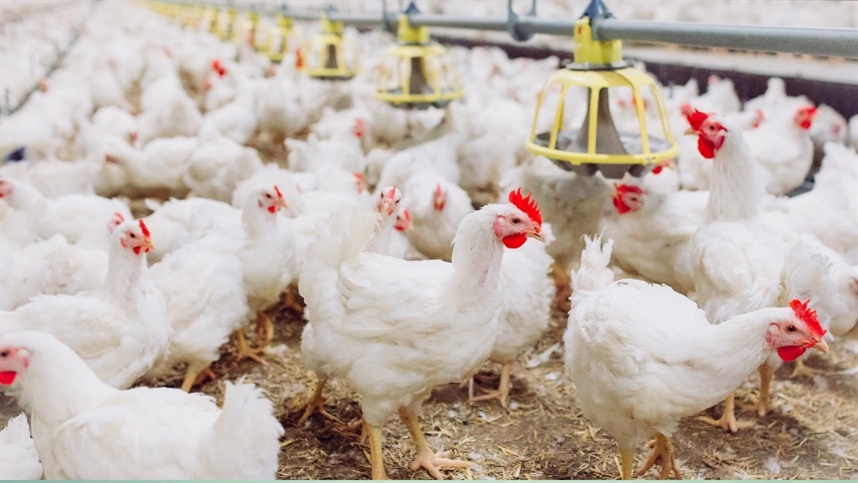
Meat products ranked second among sectors with the highest export value, reaching US$771 million. Revenue increased by 24.71%, which corresponds to an additional US$152.7 million compared to the same quarter of 2025. Growth was recorded in the external sales of different proteins. Turkey meat showed the largest percentage variation, of 322.81%. There was also an increase in chicken meat, of 30.21%, beef, of 26.41%, and pork, of 9.41%.
Shipments of grains, flours, and preparations also accelerated. The sector moved US$210.3 million in the quarter, up from US$70.81 in the quarter. corn accounted for an increase of US$$ 84.2 million in exports, while the rice recorded growth of 14.8%, equivalent to US$, an increase of 13.6 million.
Despite the positive performance of agribusiness as a whole, some segments lost foreign revenue. The tobacco and tobacco products sector exported US$415.8 million, a decrease of 23.31% year-on-year. This reduction represented US$126.7 million, while specifically unmanufactured tobacco fell by 24.8% year-on-year. The decline was even more pronounced among biofuels. Exports in this segment decreased by 99.6% year-on-year after the interruption of biodiesel sales to the European Union and Paraguay, according to the technical note.
Agricultural machinery and implements also ended the period on a low note. External sales in the sector fell by 9.91% of the total, with a reduction of 12.11% in agricultural tractors and 26.61% in sprayers. In international trade, China maintained a prominent position for Rio Grande do Sul's agribusiness. The country absorbed 26.51% of the sector's exports in the second quarter. Next were the European Union, with 13.51%, the United States, with 51%, Vietnam, with 4.51%, and India, with 41%. Together, these five markets accounted for 53.51% of the total value exported by Rio Grande do Sul's agribusiness during the period.
Trade relations with China also showed strong growth compared to 2025. Sales to the country grew by US$263.2 million, an increase of 35.4%, driven mainly by soybeans and chicken and beef. India increased its purchases by US$92.2 million, a movement concentrated in soybean oil. Exports to South Korea advanced by US$89.3 million, mainly due to soybean meal.
Conversely, there was a reduction in shipments destined for the United Arab Emirates, especially of cellulose and chicken meat. Sales to the United States also decreased, notably in unmanufactured tobacco. However, the growth in exports was not reflected in formal employment during the quarter. The agribusiness sector in Rio Grande do Sul closed the period between April and June with a negative balance of 9,665 jobs with formal contracts. There were 56,455 new hires compared to 66,120 layoffs.
The result was worse than that observed in the second quarter of 2025, when the balance was also negative, with a loss of 7,004 jobs. According to the technical note, the reduction is associated with the seasonality of agricultural activity, with a decrease in demand for workers after the end of the summer crop harvest.
In the overall economy of Rio Grande do Sul, the balance of formal jobs between April and June 2026 was also negative, with a loss of 5,944 positions. The picture changes when considering the first six months of the year. Between January and June, exports from Rio Grande do Sul's agribusiness totaled US$7 billion and accounted for 7% of all the state's external sales.
According to data released by the DEE, the sector's revenue in the first half of the year increased by 8.81% compared to the same period in 2025, equivalent to an additional US$566 million. Formal employment also ended the semester in positive territory. Agribusiness accounted for 406,882 active jobs at the end of June. There were 152,972 new hires and 139,469 terminations over the six months, resulting in a net creation of 13,503 jobs.
Considering the entire economy of Rio Grande do Sul, the first half of the year ended with a positive balance of 40,902 formal jobs.