EN
EN  PT_BR
PT_BR 
The 2025/26 soybean crop is shaping up to be one of the most challenging in recent years. High production costs, falling international commodity prices, and uncertain weather forecasts are putting pressure on profitability and demanding greater technical efficiency in the field.
Projections indicate that the average expenditure per hectare should increase by approximately 4% compared to the last cycle, potentially exceeding R$ 5,600 in regions such as Rio Verde (GO) and Sorriso (MT). This increase is mainly driven by the rising price of fertilizers – with an increase close to 10% – amidst global bottlenecks related to trade tensions between China and the United States, the impacts of the war in Eastern Europe, and reduced supply in major Asian hubs. The price of some agricultural pesticides is also following this trend.

Photo: Shutterstock
With narrower margins, the minimum productivity needed to cover costs increases. In areas of Mato Grosso, it already exceeds 56 sacks per hectare; in Goiás, it is around 51 sacks. “In a cycle of compressed margins, efficiency is not an option: it is a condition for survival. Every investment needs to be planned and converted into productivity. The strategic use of technologies makes the difference between a profitable or unprofitable crop,” emphasizes João Eduardo Brandão Boneti, Business Development Specialist at Ourofino Agrociência.
The recommendation is to integrate constant monitoring, proactive management practices, and the application of products at the ideal time—factors that determine the economic outcome of the harvest. In the pre-planting phase, for example, early control of resistant weeds is crucial to reduce initial competition.
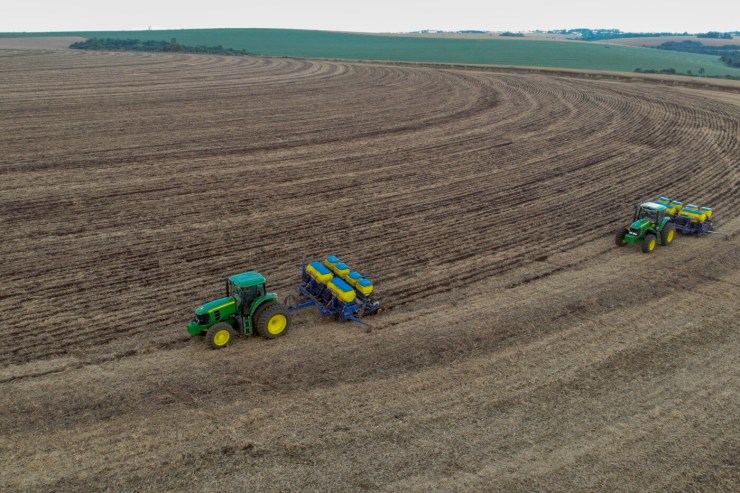
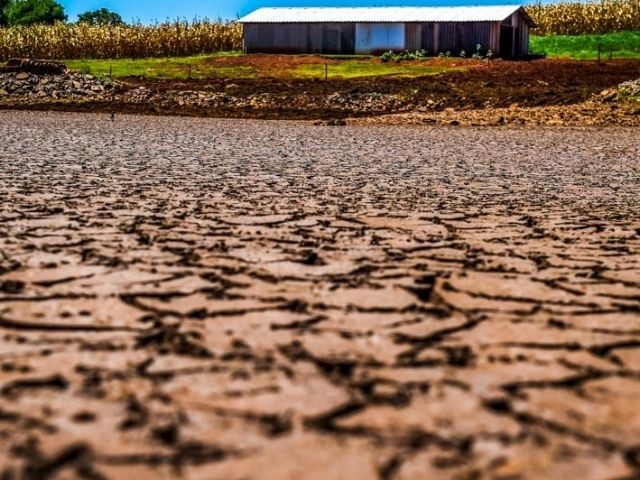
Among the additional challenges, weather forecasts indicate irregular rainfall in the Midwest and South, which could compromise the planting window for crops. Boneti reinforces the need for detailed planning by plot and a consistent monitoring schedule throughout the cycle.
Checklist – best practices for the harvest
Pre-planting: soil analysis, acidity correction, selection of adapted cultivars, and crop rotation planning.
Planting and emergence (0-15 days): pay attention to soil moisture, seed treatment, and monitoring for early pests.
Vegetative development: integrated pest management and preventive application of fungicides.
Flowering and grain filling: intensive monitoring for stink bugs and Asian soybean rust, in addition to providing physiological support for the plant.
Pre- and post-harvest: planned desiccation, machine calibration, and proper storage.