EN
EN  PT_BR
PT_BR 
A Agência Brasileira de Promoção de Exportações e Investimentos (ApexBrasil) divulgou nesta semana um levantamento detalhado que projeta cenário promissor de exportação para o Brasil caso o Acordo Mercosul-União Europeia, formalizado em 2025, entre em vigor após a ratificação nos parlamentos dos países envolvidos.
De acordo com o estudo, setores brasileiros poderão acessar imediatamente um mercado potencial de US$ 43,9 bilhões em importações anuais da União Europeia, com 543 oportunidades de exportação com desgravação tarifária imediata, dispensando barreiras alfandegárias atualmente vigentes.

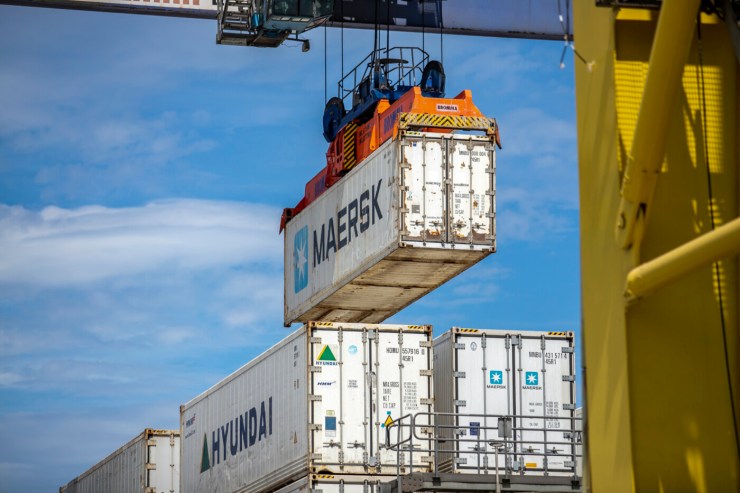
Photo: Roberto Dziura Jr.
O estudo da área de Inteligência de Mercado da ApexBrasil mapeou as frentes de abertura comercial com foco nas demandas do bloco europeu, composto por 27 países e um dos maiores mercados globais de consumo. A análise mostra que essas oportunidades estão distribuídas em todas as grandes regiões do continente, com maior concentração na Europa Ocidental e presença significativa nos mercados Meridional, Oriental e Setentrional.
A coletânea de dados evidencia que o Brasil, tradicional fornecedor de commodities agrícolas e matérias-primas, ainda figura com participação modesta nas compras europeias desses itens específicos. Sobre as 543 oportunidades identificadas, as exportações brasileiras representaram cerca de US$ 1,1 bilhão nos últimos anos, o que corresponde a pouco mais de 2,6% do total importado pelo bloco. A maior parte das frentes comerciais mapeadas hoje engloba produtos com baixo ou nenhum volume exportado atualmente, mas com competitividade reconhecida no exterior.
Produtos com potencial de expansão imediata incluem máquinas e equipamentos de transporte, artigos manufaturados diversos, produtos químicos, materiais em bruto e alimentos, entre outros segmentos que vão além da pauta tradicional brasileira.
A ApexBrasil informa que o acordo terá impacto especialmente em setores que hoje enfrentam barreiras tarifárias elevadas, e que a eliminação ou redução de tarifas nesses segmentos pode impulsionar a diversificação das exportações nacionais.

O levantamento ocorre em um momento em que o Acordo Mercosul-UE, negociado por mais de 25 anos, foi assinado formalmente em janeiro de 2025, criando um mercado integrado com cerca de 720 milhões de habitantes e um PIB agregado de aproximadamente US$ 22 trilhões. Antes mesmo da implementação, a expectativa é de que a eliminação ou redução de tarifas gere condições mais previsíveis e competitivas para empresas brasileiras e atraia novos investimentos, com efeitos diretos sobre estratégias de internacionalização e cadeias de valor produtivas.
Além das oportunidades de mercado identificadas, a ApexBrasil tem intensificado iniciativas para preparar as empresas brasileiras à nova realidade comercial, em coordenação com o governo federal, o Congresso e parceiros internacionais. Enquanto o processo de ratificação segue em tramitação no Parlamento Europeu e nos congressos nacionais do Mercosul, a agência ampliou esforços de comunicação e prospecção junto a setores privados europeus para reforçar a imagem do Brasil como fornecedor competitivo e confiável de bens e serviços.
ApexBrasil destaca que, neste momento, a movimentação política em torno da ratificação e a resposta dos mercados serão determinantes para consolidar o potencial identificado, e que uma eventual entrada em vigor do acordo deverá transformar significativamente o perfil das exportações brasileiras para a União Europeia.
Oportunidades identificadas

Do total de oportunidades identificadas, 244 são classificadas como oportunidades de abertura, casos em que o Brasil ainda não possui participação relevante nas importações da União Europeia, mas apresenta competitividade internacional comprovada na exportação desses produtos. Trata-se, na avaliação da ApexBrasil, de um indicativo claro de que o acordo pode contribuir para a diversificação da pauta exportadora brasileira, reduzindo a concentração em poucos itens tradicionais.
Entre os segmentos analisados, os materiais em bruto, como sementes para semeadura e farinha de soja, registram atualmente 2,7% de participação brasileira nas importações da UE. Já no grupo de óleos animais e vegetais, com destaque para o óleo de milho em bruto, a participação do Brasil é de 4,5%, percentual considerado baixo frente à capacidade produtiva e à competitividade do país nesses mercados.
Agro com combinação de instrumentos
No setor agropecuário, o Acordo Mercosul-União Europeia estabelece um modelo combinado de eliminação tarifária imediata, desgravação gradual e criação de cotas específicas para produtos sensíveis. Entre os principais itens contemplados estão carnes bovina, de aves e suína, açúcar, etanol, arroz, milho, mel, queijos e cachaça, além da eliminação total de tarifas para frutas, como abacate, limão, lima, melão, melancia, uva de mesa e maçã.

Photo: Shutterstock
No caso da carne bovina, o Brasil exportou ao mundo US$ 11,6 bilhões em 2024, enquanto a União Europeia importou US$ 2,4 bilhões do produto. As vendas brasileiras ao bloco somaram US$ 461,2 milhões, com 19,1% de participação e volume de 59 mil toneladas. Antes do acordo, a Cota Hilton destinada ao Brasil, de 10 mil toneladas, estava sujeita a tarifa de 20%, enquanto as exportações fora da cota enfrentavam uma combinação tarifária que chegava ao equivalente a 41,8%. Com a entrada em vigor do acordo, a tarifa da Cota Hilton será zerada de forma imediata, e, ao longo do tempo, será implementada uma nova cota de 99 mil toneladas em equivalente carcaça, com crescimento linear em cinco anos e tarifa intracota de 7,5%.
Para a carne suína, o potencial de expansão é ainda mais expressivo. Em 2024, o Brasil exportou US$ 2,7 bilhões ao mundo, enquanto a União Europeia importou US$ 79,7 milhões, sendo apenas US$ 1,1 milhão originários do Brasil, o que corresponde a 1,4% de participação e volume de 342 toneladas. Antes do acordo, as tarifas aplicadas pela UE variavam de 46,7 euros a 86,9 euros por 100 quilos. Com o tratado, está prevista a criação de uma cota de 25 mil toneladas, com crescimento linear em cinco anos e tarifa intracota de 83 euros por tonelada, ampliando significativamente a competitividade do produto brasileiro.

Photo: Jonathan Campos
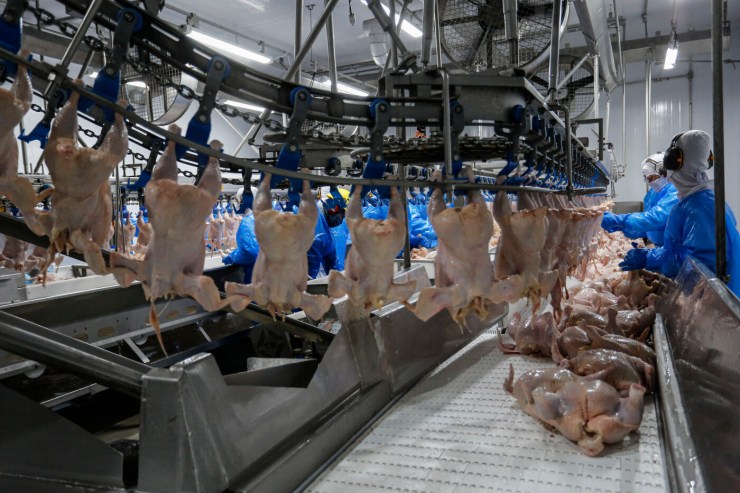
Já nas carnes de aves, o Brasil mantém posição mais consolidada. As exportações brasileiras ao mundo somaram US$ 9,1 bilhões em 2024, enquanto as importações da UE alcançaram US$ 815,1 milhões. O Brasil respondeu por US$ 197,3 milhões, com 24,2% de participação e volume de 72 mil toneladas. Antes do acordo, as tarifas variavam entre 18,7 euros e 102,4 euros por 100 quilos. Pelo novo arranjo, será criada uma cota de 180 mil toneladas em peso carcaça, dividida igualmente entre produtos com osso e desossados, com aumento linear em cinco anos e tarifa intracota zerada.
Na avaliação da ApexBrasil, os números demonstram que o acordo tem potencial para reposicionar o agronegócio brasileiro no mercado europeu, ampliando volumes, reduzindo custos de acesso e fortalecendo a previsibilidade para investimentos e decisões estratégicas. A Agência destaca que o desafio, a partir da ratificação, será transformar o mapeamento técnico em resultados concretos, preparando empresas para atender exigências sanitárias, ambientais e logísticas do mercado europeu, ao mesmo tempo em que amplia a presença brasileira em segmentos de maior valor agregado.