EN
EN  PT_BR
PT_BR 
Even with an estimated production of 180 million tons, the largest in history, soybean prices remain supported in the Brazilian market. This support comes from a combination of strong domestic demand, a consistent pace of exports, and the appreciation of soybean derivatives, especially oil.
According to the Center for Advanced Studies in Applied Economics (Cepea), the international scenario also contributes to the firmness of prices. The conflict in the Middle East has raised oil prices, increasing the competitiveness of biodiesel and, consequently, the demand for soybean oil, the main input for the biofuel.
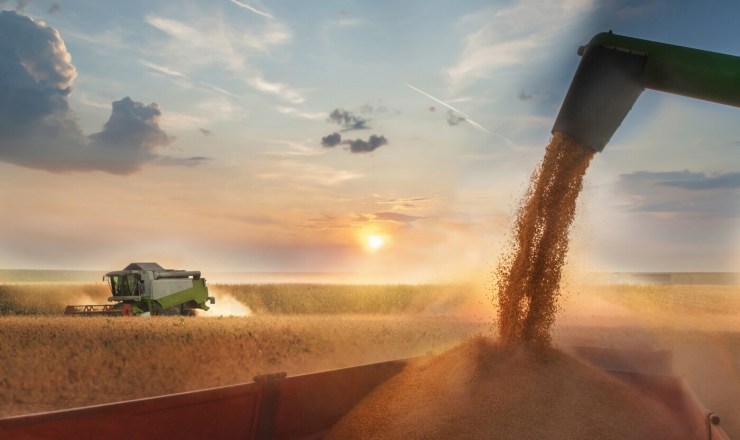
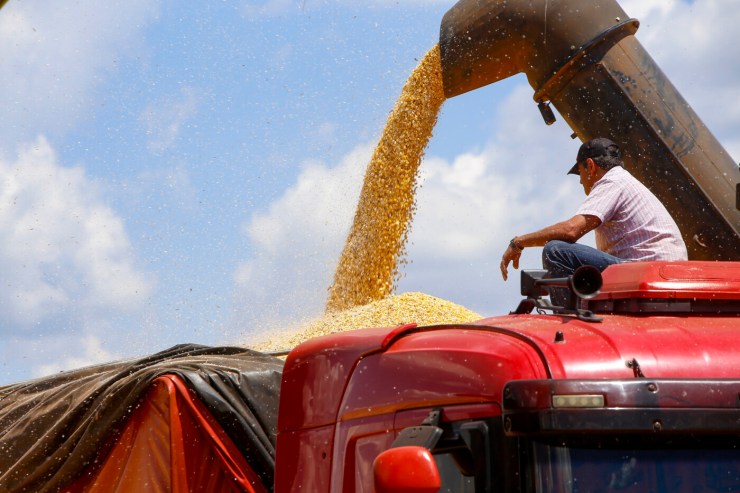
In the fields, the 2025/26 harvest is progressing and has already reached 92.1% of the national area, according to data from the National Supply Company (Conab). The pace, however, still shows differences between producing regions.
In the south of the country, work is progressing more slowly. In Santa Catarina, the harvest has reached 71% of the area, while in Rio Grande do Sul it has reached 65%, both below the amount recorded in the same period last year.
In Matopiba, performance is uneven. Tocantins has practically finished harvesting, with 98% of the area already harvested. Maranhão, with 65%, and Bahia, with 90%, are behind schedule compared to the previous harvest. In Piauí, work has reached 96%, maintaining a pace close to that of 2025.
Internationally, the harvest in Argentina is facing occasional interruptions due to rain in the main producing regions, which is keeping the progress uneven. In the United States, recent rainfall in the Midwest has brought relief to the crops, but has temporarily limited field activities. Even so, planting for the 2026/27 crop has already reached 23% of the planned area as of April 26, exceeding both last year's pace and the average of the last five years.